For Students and Parents Alike
When a student heads off to college as a double reed player—whether oboe or bassoon—it’s often the result of years of dedication. For some, music remains a calling even if it doesn’t become their career path. That’s where the music minor comes in: it offers the opportunity to keep playing, improving, and performing without the full academic load of a music major. A double reed music minor provides structure, performance opportunities, and continued musical growth.
But what does that actually look like in real life? Whether you’re a student making this decision or a parent supporting from the sidelines, here’s a clear, encouraging look at what to expect.
The Basics of the Music Minor (And What Sets It Apart)
Every college shapes its music minor differently, but there are common elements across most programs:
-
Private Lessons: Expect weekly one-on-one lessons (usually for credit) with a faculty member or graduate student instructor. Double reed players are often taught by experienced professionals who also perform in regional orchestras.
-
Ensemble Participation: Most minors are required to participate in at least one large ensemble—concert band, wind ensemble, or orchestra.
-
Core Music Classes: These often include:
-
Music Theory
-
Ear Training (Aural Skills)
-
Music History or Appreciation
-
“I was a biology major with a music minor. I loved walking into rehearsal after a full day of lab work—it kept me grounded and connected to my creative side.” —Jenna, former oboist and music minor at University of Vermont
For more information on collegiate music programs, visit the National Association of Schools of Music.
What’s Different for a Double Reed Player?
Double reed players—especially oboists and bassoonists—face some unique considerations:
-
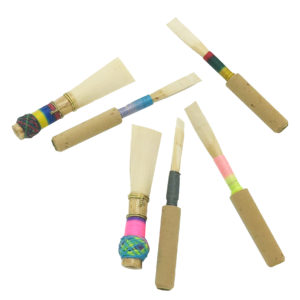
Reed Making: Most college programs expect or encourage oboists and bassoonists to make or adjust their own reeds. This might involve access to a reed room or studio space, and often requires purchasing additional tools.
-
Faculty Attention: Because double reed players are rare, you may get more personal attention, including opportunities for chamber music, masterclasses, and leadership in ensembles.
-
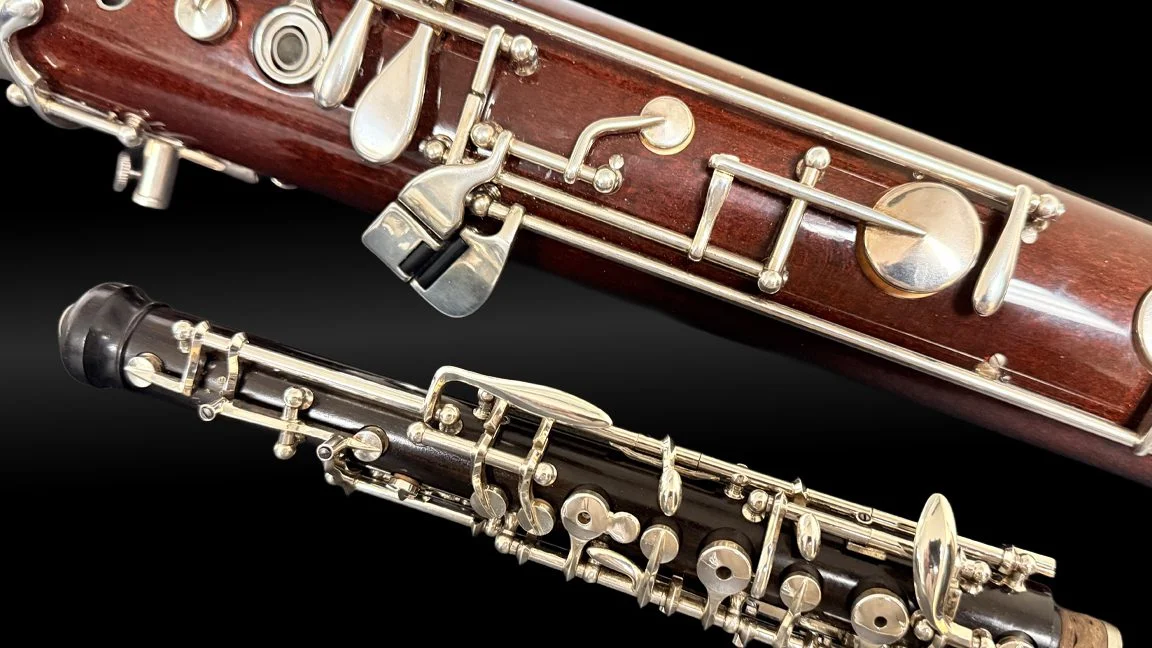
Instrument Demands: It’s important to enter college with a well-maintained, professional or semi-professional instrument. Repairs and upkeep should be budgeted for, especially if your child is still playing on a high school model. A double reed music minor also includes unique responsibilities like reed making and instrument care.
“I remember a parent asking me, ‘Do they really need all those reed tools?’ The answer is yes. It’s part of becoming a self-sufficient double reed player.” —Brian Charles, reed maker and double reed specialist
Make sure your instrument is properly maintained by exploring our repair services.
What Parents Should Know
-
Time Commitment: A music minor is a real commitment. Students should plan for:
-
1–2 hours of practice per day
-
Weekly rehearsals (sometimes more during concert season)
-
Lesson preparation and reed work
-
-
Reed Supplies: These can add up. Budget $30–$75/month for cane, staples, thread, tools, and/or finished reeds.
-
Support Matters: College is a transition. Students used to private lesson attention and teacher encouragement may suddenly be navigating more independence. A little check-in from home, asking, “How’s music going?” can go a long way.
Opportunities to Grow (Without Major-Level Pressure)
Being a minor means having the chance to:
-
Continue performing at a high level
-
Explore music history or theory without an overwhelming course load
-
Join chamber groups or special projects
-
Stay connected to music while focusing academically elsewhere
It also means that music remains a joy, not a burden. Many students report that playing their instrument provides a welcome balance to the rest of their college workload.
“I’m so glad I didn’t drop music in college. I met some of my best friends in the wind ensemble, and playing oboe helped me feel like myself.” —Ethan, environmental science major, oboe minor at UMass Amherst
Final Thoughts
Choosing to minor in music as a double reed player is a meaningful choice. It signals a desire to keep growing as a musician, even while exploring other academic paths. For oboists and bassoonists especially, the community is small but tight-knit—and full of rich musical experiences.
For students: Stay organized, communicate with your instructors, and don’t be afraid to ask for help with reeds or time management.
For parents: Encourage your child’s passion. Double reed life in college isn’t always easy, but it’s deeply rewarding. Choosing a double reed music minor helps students stay connected to music throughout college.
Thinking of pursuing a music minor in oboe or bassoon? Make sure you reach out to the music department early, inquire about reed-making facilities, and explore the ensemble opportunities available. You’ll be glad you did.