The Instrument You Don’t Really Know
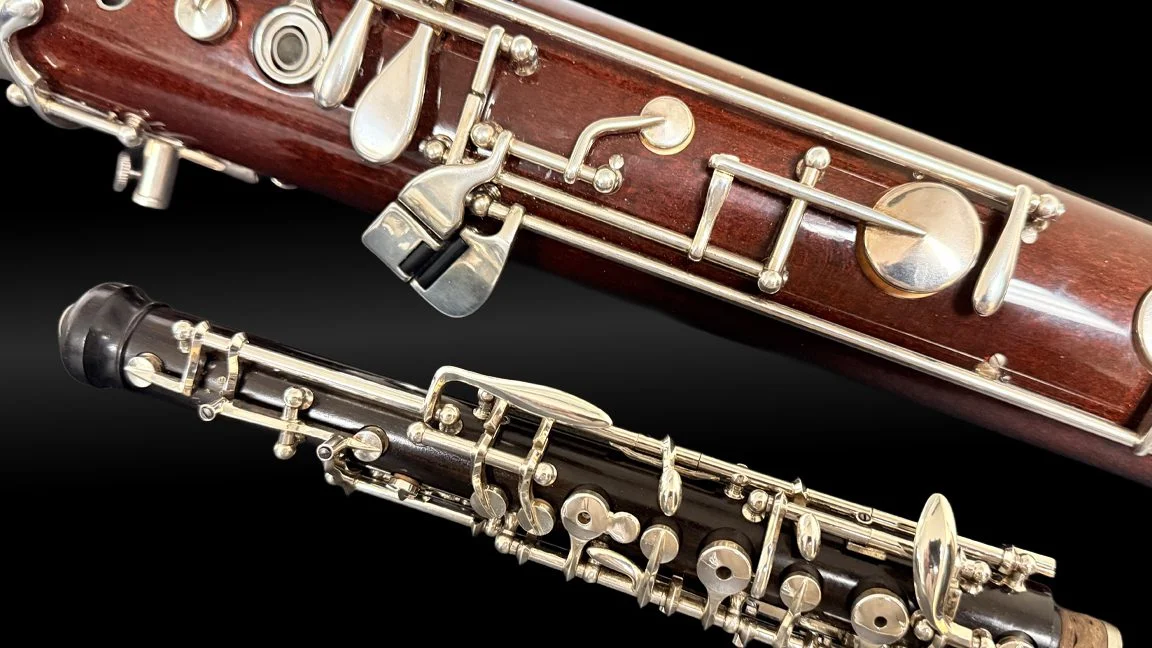
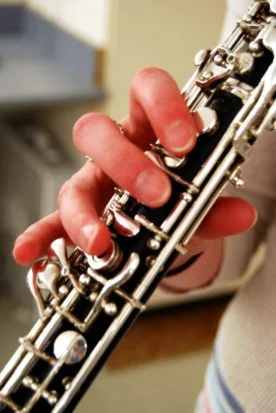
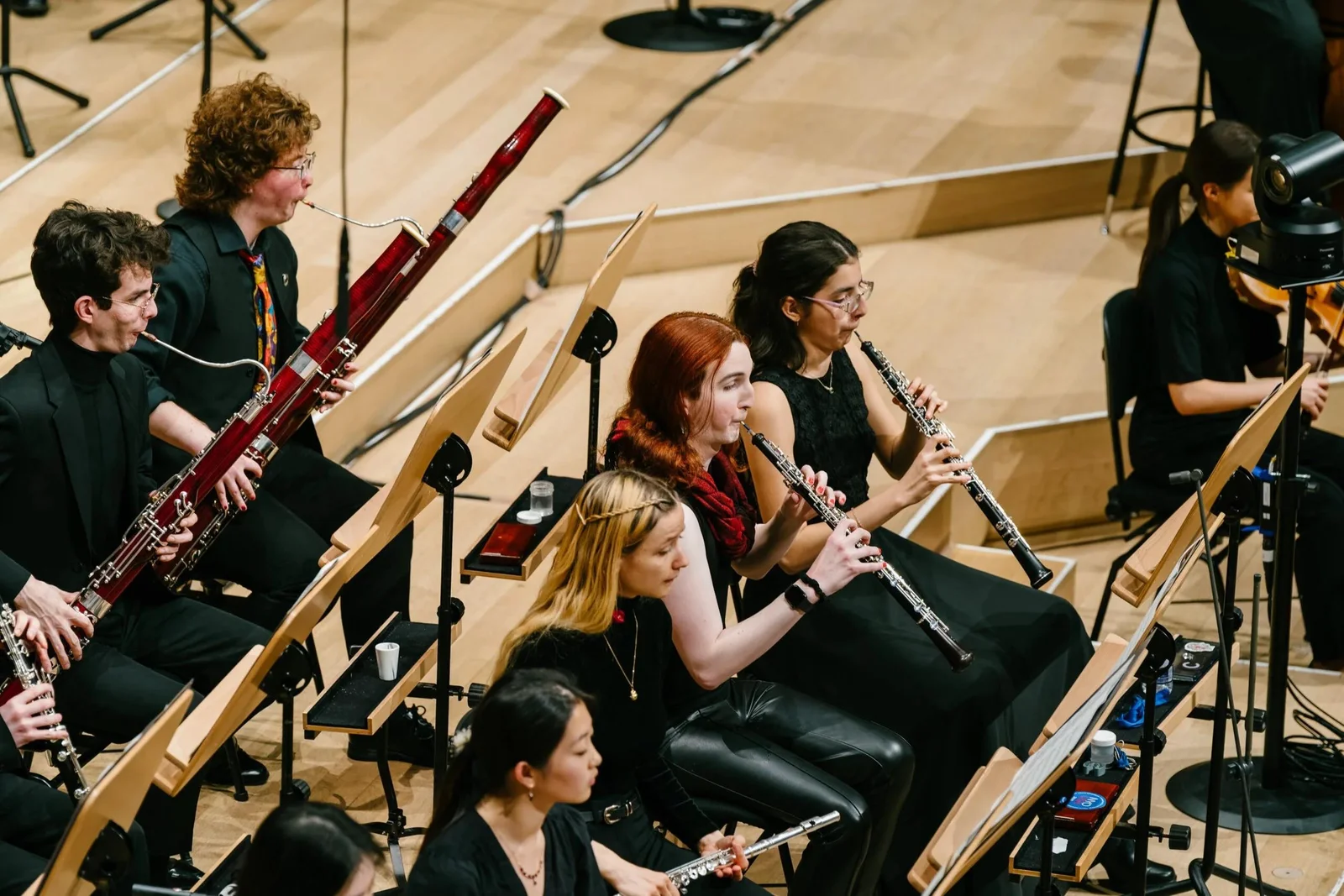
A lot of double reed instruments carry more history than their owners realize. An oboe or bassoon that’s been in a family for two generations might be a fine student instrument, or it might be a genuinely significant piece worth insuring properly and playing carefully. We’ve had people bring in cases that hadn’t been opened in twenty years, sometimes it’s a well-worn student horn with sentimental value and little else, and sometimes it’s a maker’s instrument from a golden era of production that’s worth far more than anyone in the family expected.
Without a real appraisal, you’re guessing, and guessing is expensive in both directions. Underinsure a valuable instrument and you’re exposed if something happens to it, a fire, a flood, a fall down a flight of stairs. Overestimate a modest one and you’re paying insurance premiums for value that was never really there. Either way, the guess costs you something eventually.
What Actually Goes Into An Appraisal
This is where conservatory training and decades of hands-on repair work matter. Appraising a double reed instrument isn’t just checking a serial number against a price guide or eyeballing the finish. It means understanding maker reputations and how they’ve shifted over time, recognizing production eras and the design changes that came with them, assessing wood condition and stability, evaluating key work and mechanism quality, and checking bore integrity, then translating all of that into a real market value, the kind that holds up with insurers, estate attorneys, and buyers.
That kind of judgment doesn’t come from a manual. It comes from studying under people like Harold Gomberg and Lenny Hindell, from decades spent with instruments open on the workbench, and from watching thousands of oboes and bassoons pass through our hands, from student horns to rare, museum-quality pieces. We’ve seen enough instruments over enough years to know what separates a good one from a great one, and what separates a great one from something truly rare.
The Moments Appraisals Matter Most
An appraisal tends to matter most at the moments that matter most in life. Settling an estate after a parent or grandparent has passed, and needing to know what an inherited instrument is actually worth before it’s divided, sold, or kept. Filing an insurance claim after a loss or theft, and needing documentation that will hold up. Preparing to sell or consign an instrument, and wanting a price that reflects its real value rather than a guess pulled from an old classified ad. Simply wanting a family heirloom properly protected, so it’s insured for what it’s truly worth rather than a placeholder figure nobody has looked at in years.
We’ve seen too many people find out an instrument’s true value only after it was already damaged, lost, or sold for far less than it deserved. A little diligence beforehand changes that entirely, and it’s almost always less expensive and less stressful than dealing with the aftermath of not knowing.
There’s A Story In Every Case
Beyond the practical reasons, we think there’s something worthwhile in simply knowing your instrument’s story. Where it was made, who made it, what era it comes from, how it compares to what’s being built today, and how it fits into the broader history of double reed instrument making. That knowledge deepens the relationship between a player and their instrument. An oboe stops being just an object you play and becomes something with a lineage, a place in a maker’s body of work, a life before it ever reached your hands.
That’s part of why we enjoy this work as much as we do. Every instrument that comes through our door has a story, and appraising it is as much about uncovering that story as it is about arriving at a number.
If You’ve Been Wondering
If you have an instrument you’ve been wondering about, tucked away in a closet, inherited from a relative, or sitting in your gig bag with a value you’ve never quite confirmed, we’d be glad to take a look. It’s a conversation worth having before you need the answer, not after. Contact us at by email or by phone at (845) 334-0145. Visit our appraisal information page with links, forms, pricing and more.