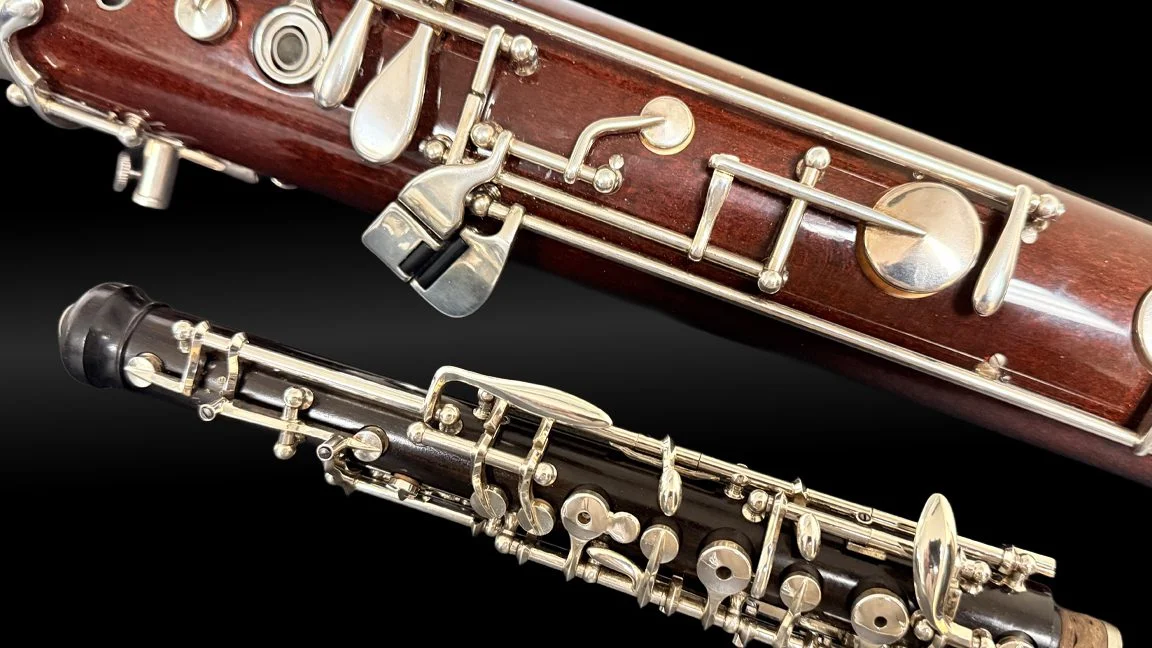
A bassoon bocal upgrade can slightly change response, tone, intonation, and resistance. However, every bocal behaves differently depending on the instrument, reed, and player.
Even a dozen of the same model bocals—such as a Heckel CC2—can sound and respond differently on your setup. Because of this, there is no universal “best” bocal. The only reliable method is to test a bocal directly with your own bassoon and reeds.
What a Bassoon Bocal Upgrade Can Change
A different bocal may affect:
- Tone color
- Response and articulation
- Intonation stability
- Air resistance
- Evenness across registers
Some players notice immediate improvements, while others hear only subtle differences. In many cases, the results depend more on compatibility than price or brand.
Check Your Instrument First
Before investing in a bassoon bocal upgrade, make sure your instrument is properly adjusted.
Small leaks, worn pads, or minor regulation issues can create problems that feel like bocal issues. Intonation inconsistencies, uneven response, and resistance often improve after professional adjustment and maintenance.
As a result, many players discover that their current bocal performs much better once the instrument is functioning correctly.
Testing a New Bocal
When trying a new bocal, test it across the full range of the instrument. Pay attention to:
- Stability in soft dynamics
- Response in technical passages
- Pitch consistency
- Tone evenness between octaves
- Overall comfort and feel
Most importantly, choose the setup that feels natural and reliable in real playing situations.
Final Thoughts
A bassoon bocal upgrade can be helpful, but it is rarely a magic solution. The right bocal should work together with your bassoon, reed setup, and playing style.
If you experience ongoing response or intonation issues, it is often wise to have the instrument professionally evaluated before changing equipment. You can also explore our professional bassoon repair and adjustment services.